





How to prevent frozen pipes
When water freezes it expands. If water freezes inside pipes, this expansion can cause them to burst. As the pipe then thaws, the leakage of water and subsequent damage caused can be very significant.
Burst pipes caused serious losses during the cold winters of 1963 and 1981. Since the widespread installation of central heating, burst pipes have become less common, but in the cold winter of 2010, the Association of British Insurers reported up to 3,500 claims for burst pipe damage were made every day resulting in a pay out of around £2.5 million a day. The cost of damage to households as a result of burst pipes was in the order of £7,000 per household.
Most at risk are outdoor pipes such as garden taps or hoses, supplies to swimming pools, sprinkler systems and so on. However, inside buildings pipes may be at risk if the building is unheated or if pipes are in unheated areas such as garages, basements, attics, crawl spaces and so on.
Within buildings, the risk of frozen pipes can be reduced by:
- Ensuring the heating is on for at least an hour a day, or continuously during particularly cold periods. Modern heating systems may have thermostatic controls that allow them to be programmed to turn on in cold weather.
- Insulating pipes that may be at risk. This will only delay the process, and without a heat source even insulated pipes can eventually freeze.
- Re-routing pipes through heated areas.
- Running taps regularly.
- Draining pipes and hoses.
- Opening doors or hatches to unheated areas, although this can be very costly and may result in the temperature of the rest of the building dropping.
- If the occupants are away, arranging for property to be visited regularly.
- It may be possible to add anti-freeze to some systems.
If a pipe freezes, this may be apparent because the water stops running.
If pipes freeze:
- Check for burst pipes. This may require professional inspection of difficult to access areas.
- If there do not appear to be any burst pipes, allow the pipes to thaw naturally, or use hot water bottles or a hairdryers to accelerate the process.
- If there are burst pipes, turn off the boiler and any other water heaters, then turn off the mains water supply at the stopcock.
- Drain the system. Be aware that drains may also have frozen.
- Repair the pipework and any damage that has been caused.
- It may be necessary to call insurers to assess damage.
Featured articles
Check out some of the best features and news from Designing Buildings as well as key stories from around the web.
Campaigning for Edinburgh: the Cockburn Association 1875-2049

The role of the civic voice in protecting character. Book review.
CIOB photography competition is open for entries.
ECA Edmundson apprentice of the year award

Finalists announced.
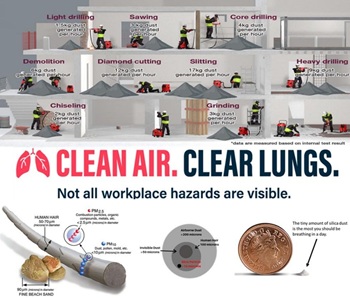
Major new study exposes serious knowledge gaps.
Generating energy from internal light as well as sunshine.

ECA welcomes plans to strengthen subcontractor quality control.

Combining mid-career qualifications with experience broadens career opportunities.

Why being a mentor can help your career.

Channel 4 broadcaster to host 125th anniversary ceremony.
Listed structures on the rail network
Heritage interests and operational requirements must be balanced.
Historic England publishes research into embodied carbon when retrofitting traditional buildings.
New Prime Minister delivers on ECA call for cut in electricity costs.